
The History and Evolution of Online Games


Introduction
Online gaming began in the 1970s as experimental networked text adventures and has since evolved into a global industry where millions connect through MMORPGs, esports, and cloud platforms. From MUDs to Fortnite, each stage reflects advances in technology and culture.
Early Origins: 1970s–1980s
This era saw text-based Multi-User Dungeons (MUDs) on university networks, laying the foundation for shared virtual spaces. LAN and dial-up connections enabled simple multiplayer shooters and RPGs, setting the stage for larger online worlds.

The Rise of MMOs: 1990s
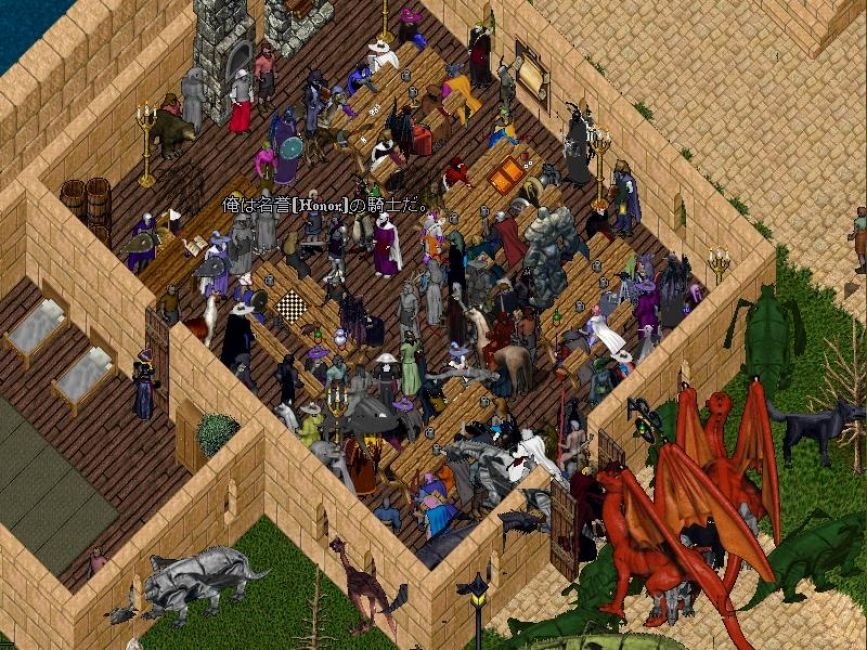
With the spread of the internet, MMORPGs such as Ultima Online and EverQuest introduced persistent worlds, player guilds, and in-game economies. Online play became mainstream, attracting global communities.
Expansion and Diversity: 2000s–2010s
World of Warcraft brought MMORPGs to peak popularity, while MapleStory and Ragnarok Online thrived in Asia. MOBAs (League of Legends, Dota) and FPS titles (Counter-Strike) shaped esports. The rise of smartphones created a booming mobile online gaming market.
Innovation Era: 2015–2020s
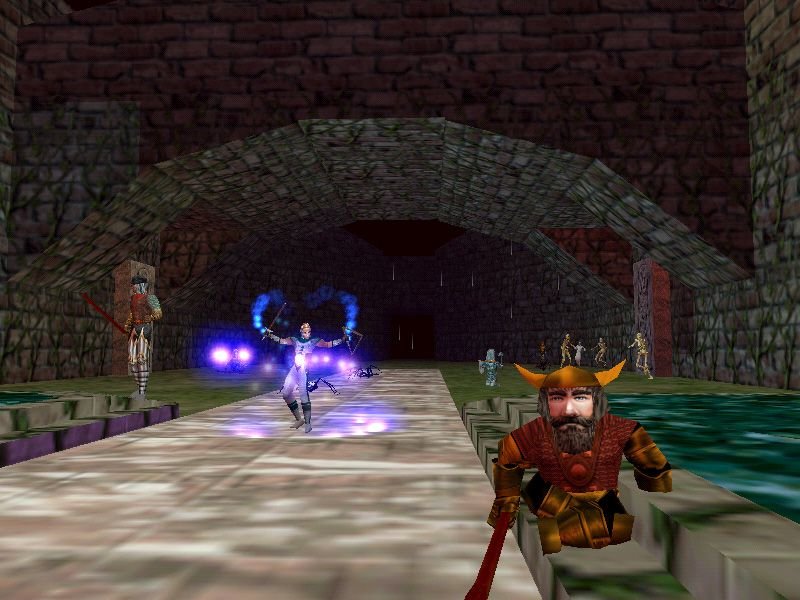
Games like Fortnite and Apex Legends normalized cross-play, unifying PC, console, and mobile players. Streaming platforms and creator content reshaped discovery and community. Cloud gaming reduced hardware limits, making AAA experiences more accessible.

Conclusion
Online games have transformed from niche experiments into a cultural and economic powerhouse. The future promises even deeper immersion with VR, AI-driven moderation, and seamless global cloud-based play.


